Wedding florists in Australia
143 listings. Showing 1 to 48.
Where is your wedding?
Sydney, NSW
Reception florals, bouquets and buttonholes

Sydney, NSW
Ceremony and reception florals
Adelaide, SA
Perth, WA
VIC
Ceremony and reception florals

VIC

Southern Highlands, NSW
Ceremony and reception florals
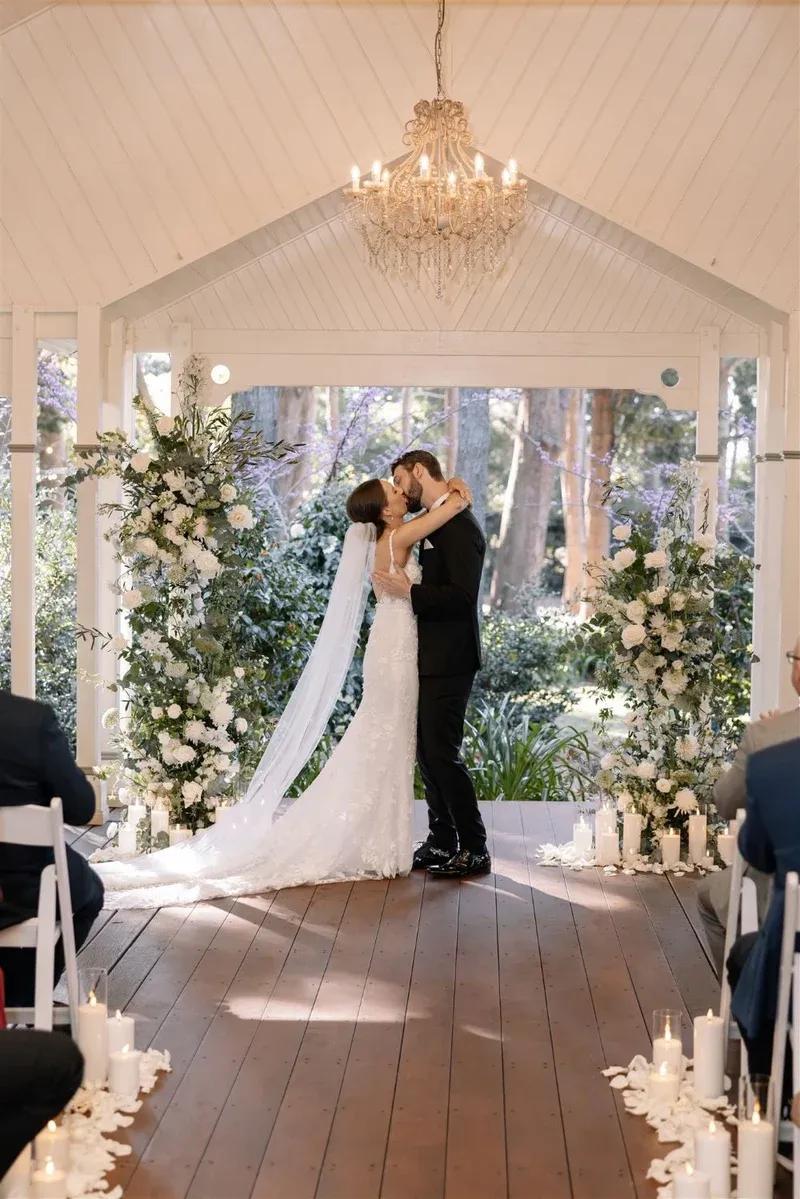
Brisbane, QLD

Perth, WA
Ceremony florals, bouquets and buttonholes

VIC
Ceremony and reception florals

VIC
Ceremony and reception florals

South Coast, NSW
Ceremony and reception florals
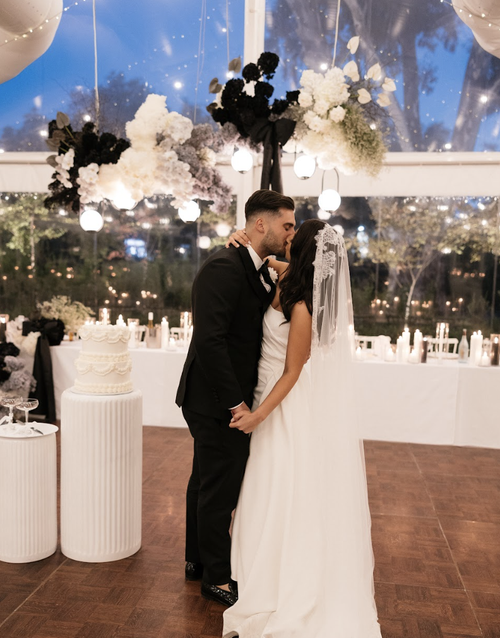
Adelaide, SA
Ceremony and reception florals

Adelaide, SA
Artificial florals
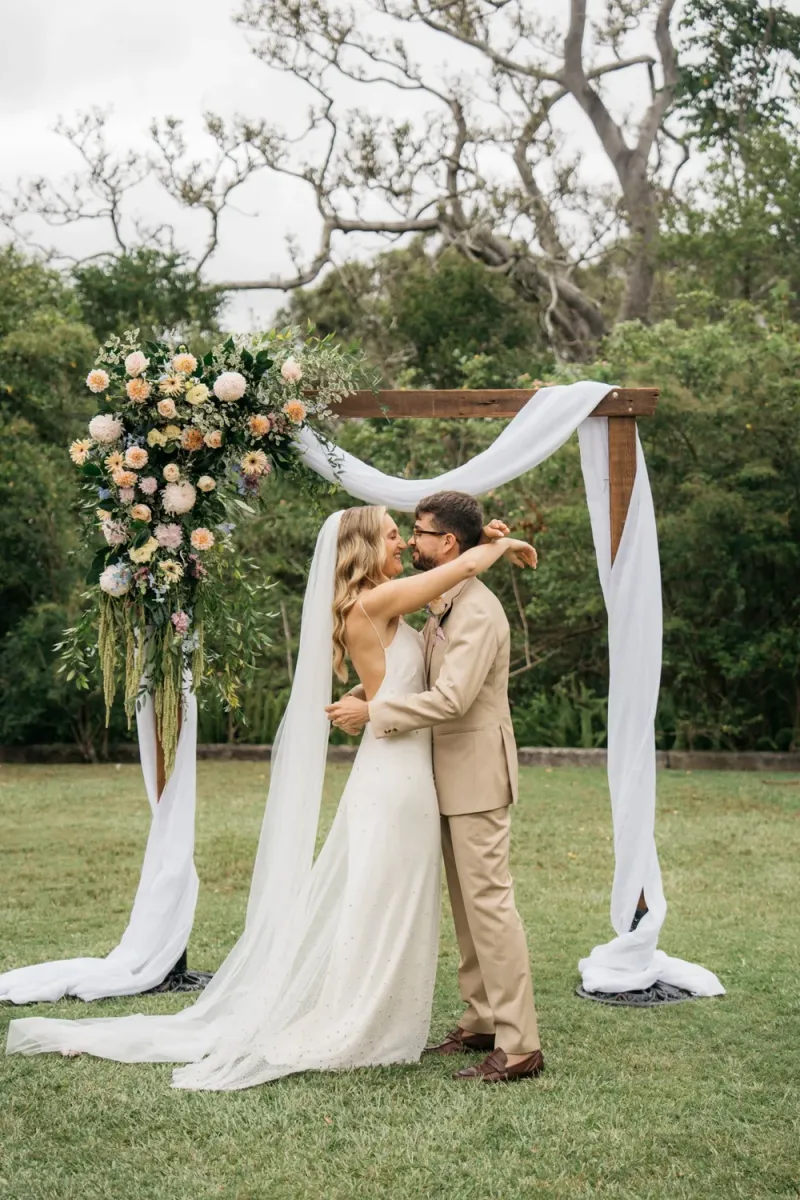
Hunter Valley, NSW
Ceremony and reception florals

Perth, WA
Ceremony and reception florals
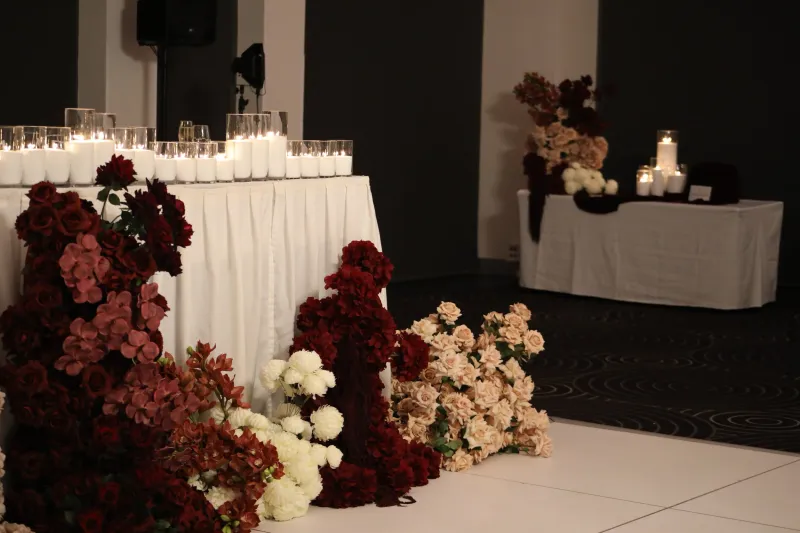
Central Coast, NSW
Ceremony and reception florals
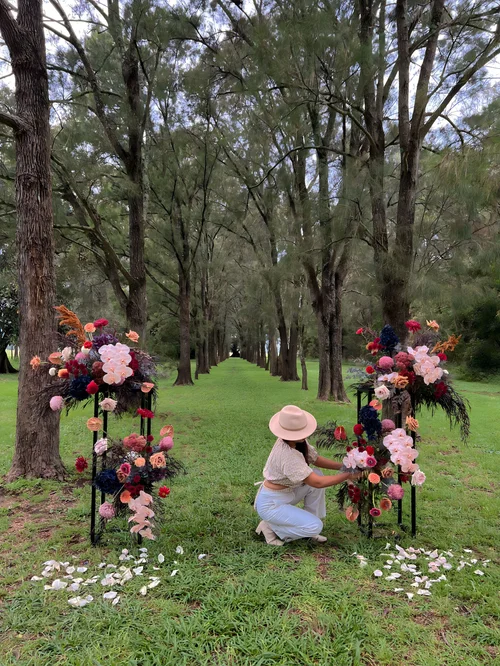
Gold Coast and Tweed Heads, QLD
Reception florals

VIC
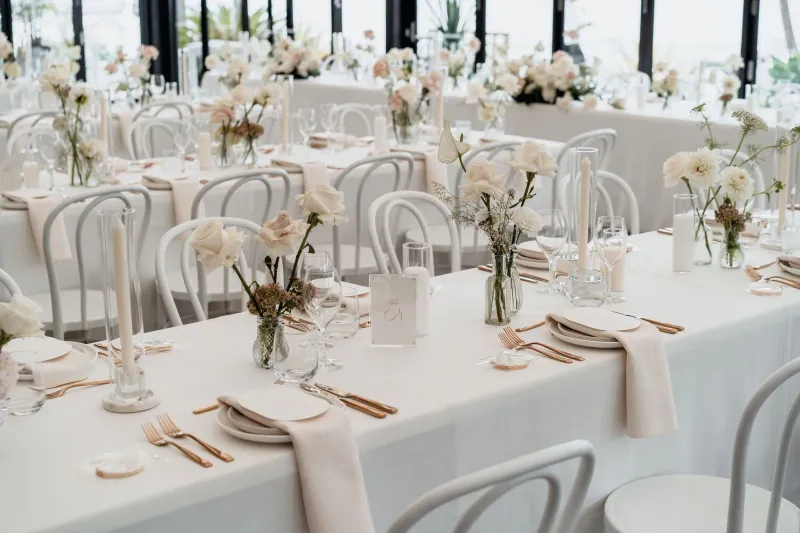
Sydney, NSW

Southern Highlands, NSW
Ceremony and reception florals

Sydney, NSW
Ceremony and reception florals

Hunter Valley, NSW
Ceremony and reception florals

Sydney, NSW
Ceremony and reception florals

Sydney, NSW
Ceremony and reception florals
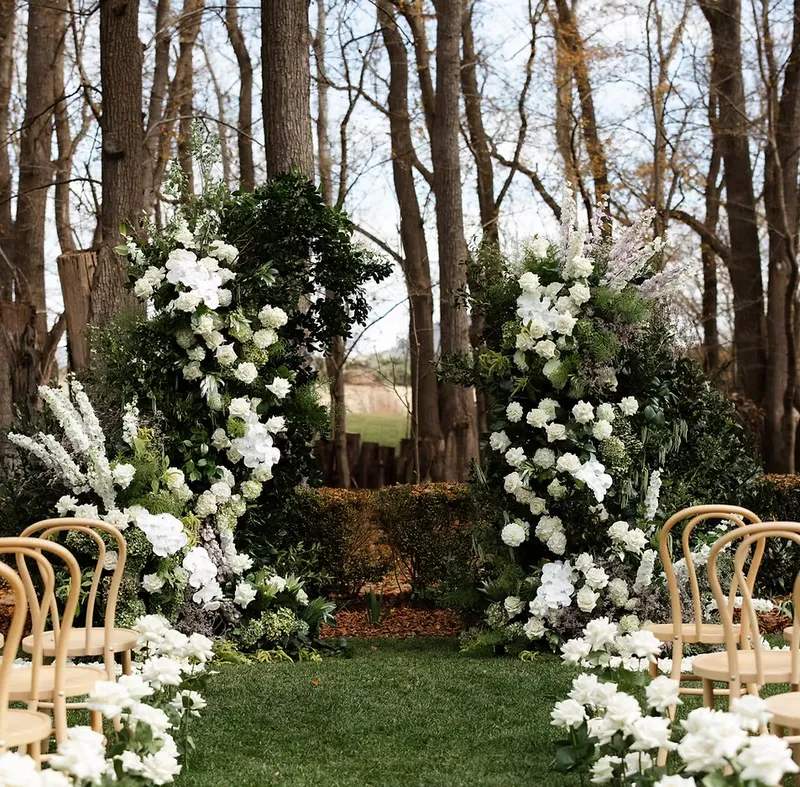
Sydney, NSW
Ceremony and reception florals

Sydney, NSW
Ceremony and reception florals
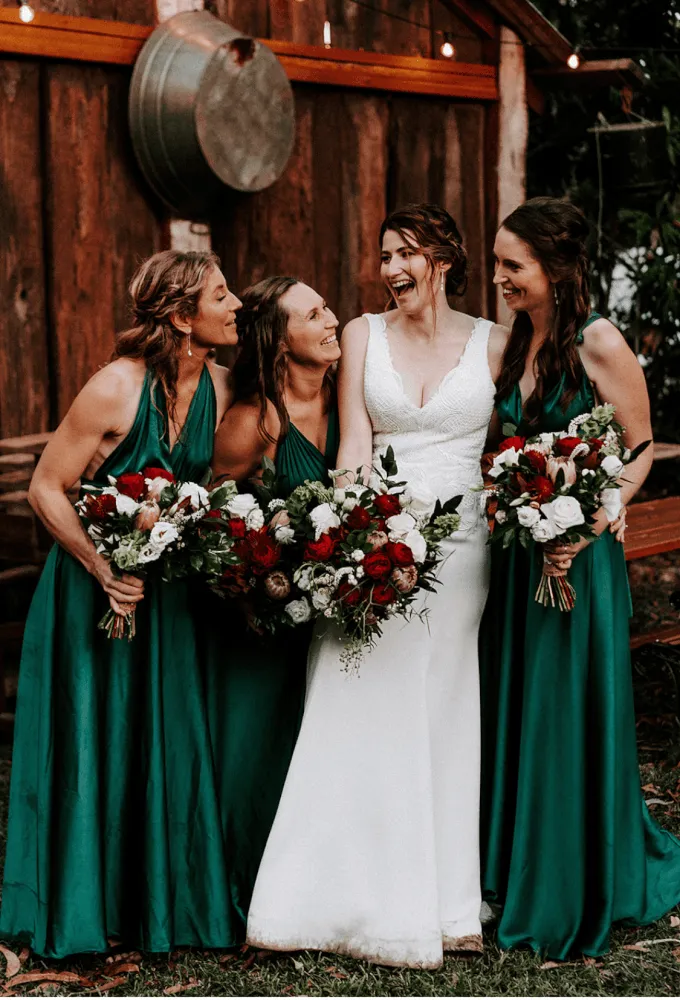
Brisbane, QLD
Ceremony and reception florals

Sydney, NSW
Artificial florals
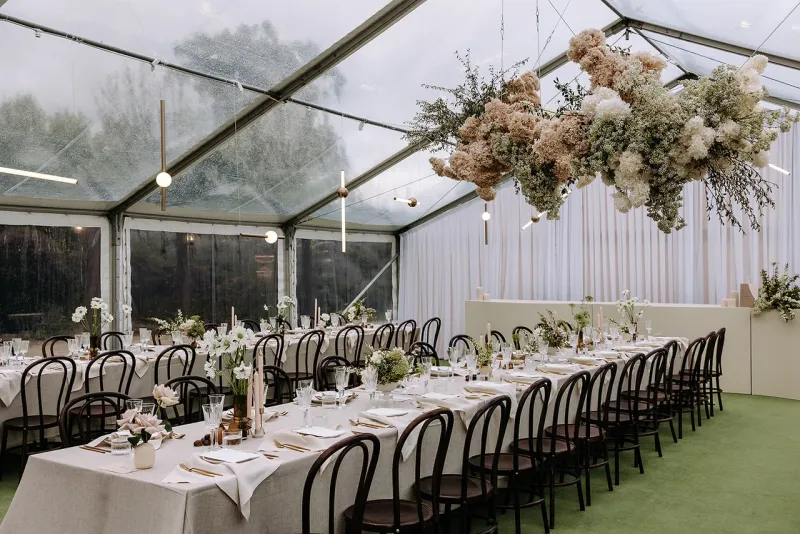
Adelaide, SA
Bouquets and buttonholes
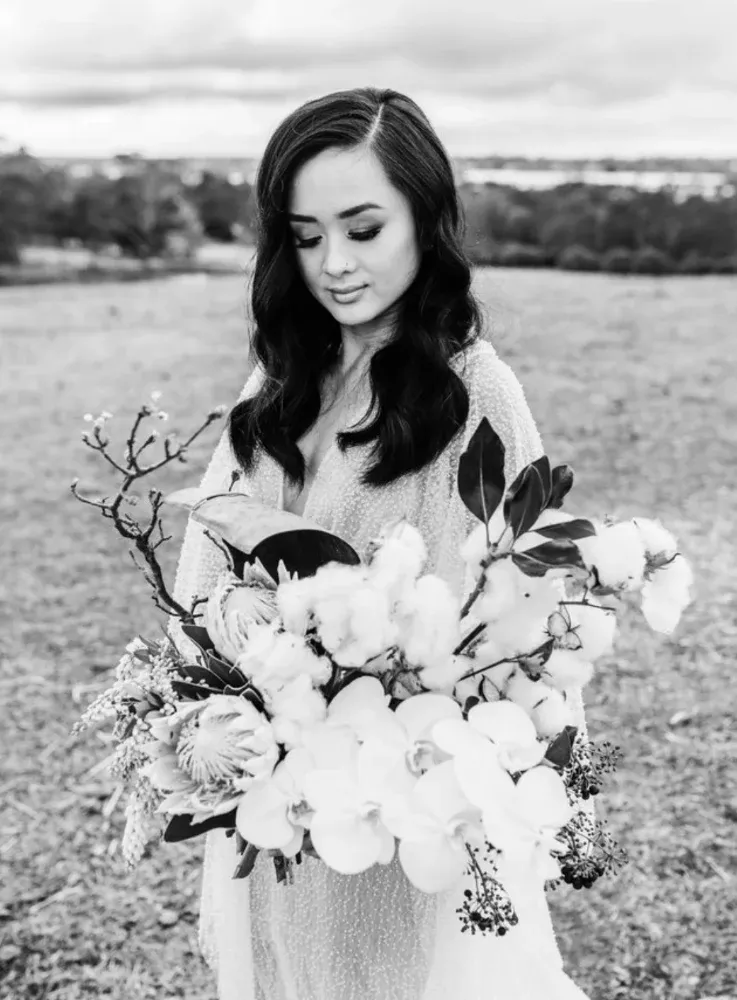
Sydney, NSW

Sydney, NSW
Bouquets and buttonholes

Southern Highlands, NSW
Ceremony and reception florals

Sydney, NSW
Ceremony and reception florals
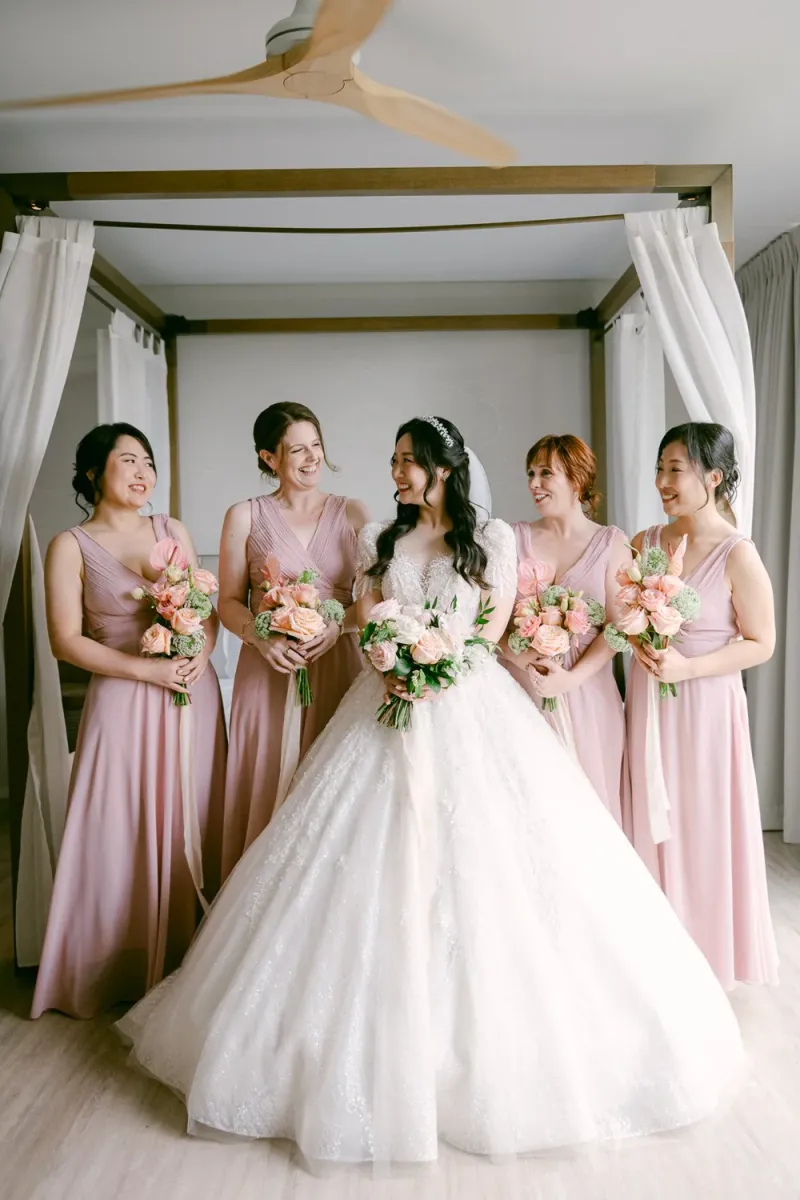
Sydney, NSW
Ceremony and reception florals

Helena Valley, Perth, WA
Ceremony and reception florals

Lily Ever After Floral Designs
South Coast, NSW
Ceremony and reception florals

Melbourne, VIC

Melbourne, VIC
Ceremony and reception florals

VIC
Ceremony and reception florals

Sydney, NSW
Ceremony and reception florals

QLD
Ceremony and reception florals

Brisbane, QLD
Bouquets and buttonholes

Brisbane, QLD
Ceremony and reception florals
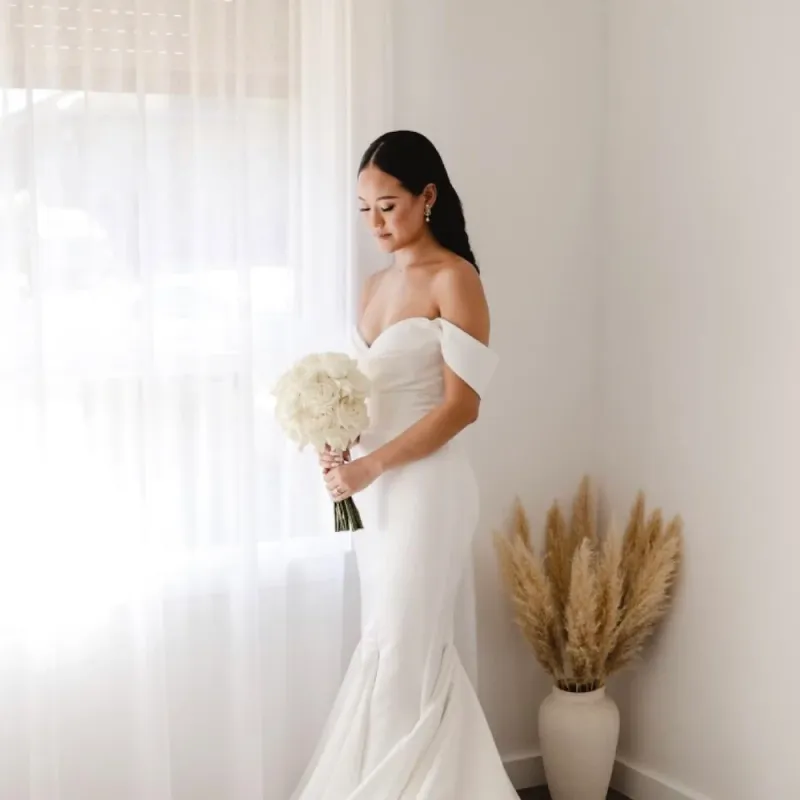
Melbourne, VIC
Bouquets and buttonholes

Melbourne, VIC
Artificial florals

Melbourne, VIC
Bouquets and buttonholes
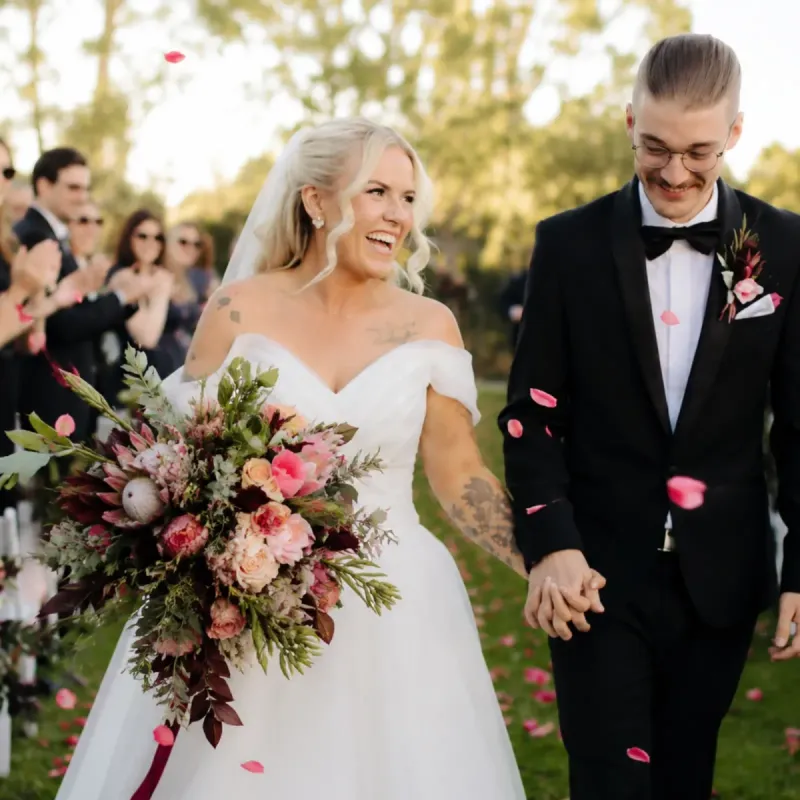
Dahlia and Thyme Studio Florals
Melbourne, VIC
Ceremony and reception florals
143 wedding florists across Australia, each with its own page. Search by region. Counted on 7 November 2026.
Order: claimed listings first, then the fullest profiles, then by name. Nothing paid moves a listing up the page.
Wedding florists by region
Queensland13
Western Australia11
South Australia12
Tasmania1
Australian Capital Territory1
Northern Territory1
What to ask a florist before you book
Tell your florist how the day runs, not only how it looks
Pinterest boards help, but the shape of the day matters more: what time the ceremony is, who carries what down the aisle, whether the bouquets become centrepieces at the reception and who packs everything down at the end of the night. A good florist asks about these in the first conversation. If they only ask about the flowers, you will feel the gap on the day.
Fresh, faux or a mix
We suggest fresh flowers for the bouquets and buttonholes, where the look and the scent matter most. Good-quality faux flowers work well on ceremony arches and large installations, and can often be hired rather than bought. Some florists mix fresh and faux in the one piece, and it photographs beautifully either way.
Choose flowers that are in season
Out-of-season and imported flowers usually cost more. Spring (September to November) suits ranunculus, peony, sweet pea and stock. Autumn (March to May) brings dahlias, David Austin roses and hardy native stems. Summer leans towards bold dahlias, sunflowers and tropical natives, and winter works with anemones, hellebores, eucalyptus and a few dried pieces.
Keep to one palette and one accent colour
Soft whites, creams and gentle greens are an easy place to start, and so are arrangements that are mostly greenery (eucalyptus, ferns and foliage with a few feature flowers). We suggest one main palette with a single accent colour rather than three colours competing, because the whole day photographs as one that way.
Know which pieces grow with your guest list
The bouquets and buttonholes stay the same whatever your guest count. The centrepieces grow with the number of tables, so a longer guest list pushes that line up. Installations, such as a flower wall, a ceremony arch or a hanging piece, are one bigger spend that photographs well. Decide where you want the flowers to make the biggest impression, and let everything else support it.
Agree who delivers, sets up and packs down
Florists offer different levels of service: drop-off (you place everything yourselves), delivery and set-up (the florist styles your ceremony and reception spaces) and full styling with lighting and props. We suggest having the florist set up any installation or ceremony arch. Packing down at the end of the night can be a separate line, so agree in writing who collects the vases, who takes down the arch and what happens to the flowers, before you sign.
Decide what happens to the flowers afterwards
Centrepieces are lovely for guests to take home, so tell your venue and your coordinator, and they can pack them up at the end of the night. The bridal bouquet can be pressed or preserved by a specialist. You could also donate the flowers to a hospital, an aged care home or a local women's shelter, and some florists can arrange that the day after.
Common questions about wedding florists in Australia
How much do wedding flowers cost in Australia?
It depends on what you order. The main lines are the bouquets and buttonholes, a ceremony arch or pedestals, the reception centrepieces and any larger installations, such as a flower wall or a hanging piece. The centrepieces rise with your number of tables, and an installation is one bigger spend. Ask each florist for an itemised quote so you can see where the money goes.
How far in advance should we book a wedding florist?
We suggest booking 6 to 9 months out. The later you book, the narrower the choice of flowers gets, especially for anything out of season or imported.
What flowers are in season for an Australian wedding?
Spring (September to November) brings ranunculus, peony, sweet pea, stock and plenty of natives. Autumn (March to May) brings dahlias, David Austin roses and hardy native stems. Summer favours dahlias, sunflowers and tropical natives, and winter works well with anemones, hellebores, eucalyptus and dried pieces. Ask your florist what is in season on your date, because in-season flowers usually cost less.
Should we choose fresh, faux, or a mix of wedding flowers?
It depends on the piece. Fresh flowers suit the bouquets and buttonholes, where the scent and the look up close matter most. Good-quality faux flowers work well on ceremony arches and large installations, and can often be hired rather than bought. Some florists mix both at the one wedding.
What colour wedding flowers are most popular in Australia?
There is no single answer, so start with a palette that suits the two of you and your venue. Whites and neutrals, soft greens and arrangements that are mostly greenery are an easy place to start. We suggest one main palette with a single accent colour rather than three colours competing, so the whole day photographs as one.
Who delivers, sets up, and packs down wedding flowers?
Florists offer different levels of service: drop-off (you place everything yourselves), delivery and set-up (the florist styles the ceremony and reception spaces) and full styling with lighting and props. We suggest having the florist set up any ceremony arch or installation. Packing down at the end of the night can be a separate line, so confirm in writing who does it and where the flowers go afterwards.
Where these numbers come from: the listings in our directory, counted on 7 November 2026. They change as businesses join and leave.
Save the ones you like to a shortlist in your wedding plan. See how the vendor shortlist works
Are you a wedding vendor?
A listing here is free. Couples enquire with you from your own page, with their date and venue already in the brief, and your first three enquiries are on us.