Wedding Planners & Coordinators Australia
Trusted wedding planners and coordinators across Australia — full planning, partial planning, and on-the-day coordination. Save favourites and shortlist by region.
11 results
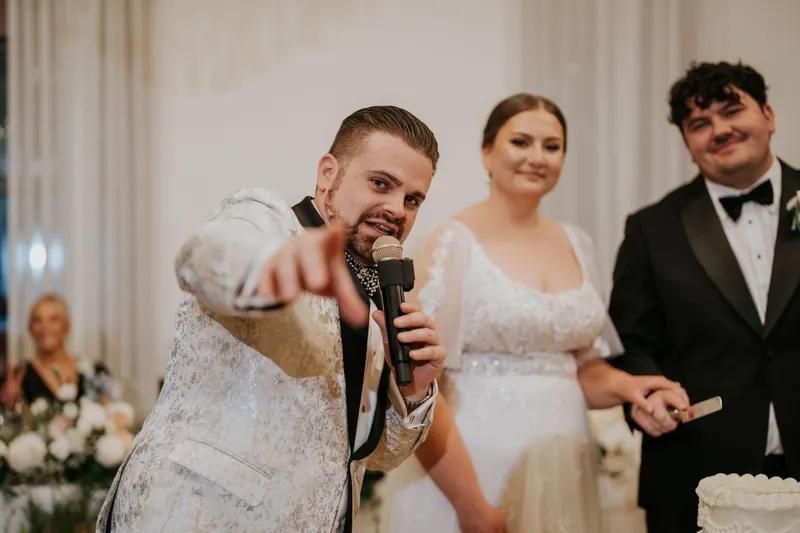
Nathan Cassar
Sydney, NSW

Managing Matrimony
Sydney, NSW
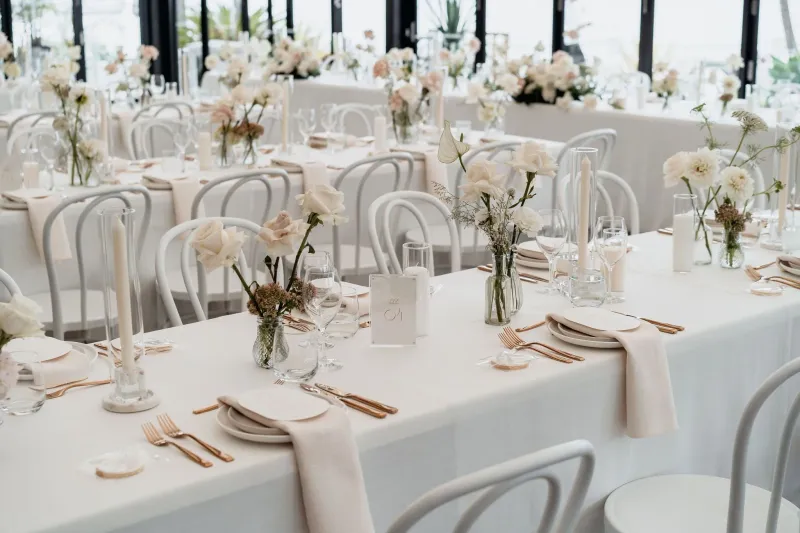
Cloud 9 Events & Styling
Sydney, NSW

Days Like These Events
Sydney, NSW

South Pacific Bridal
Sydney, NSW
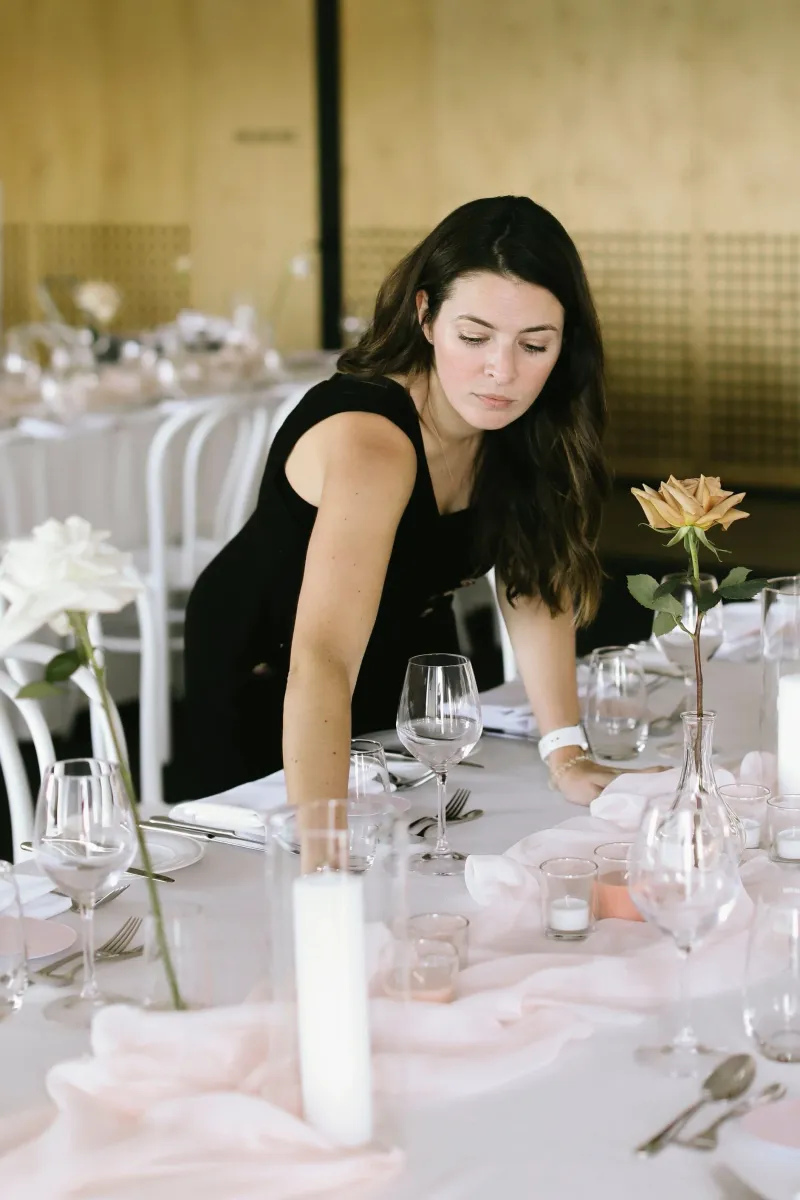
Fenn Studio
Sydney, NSW

AND Events
Sydney, NSW
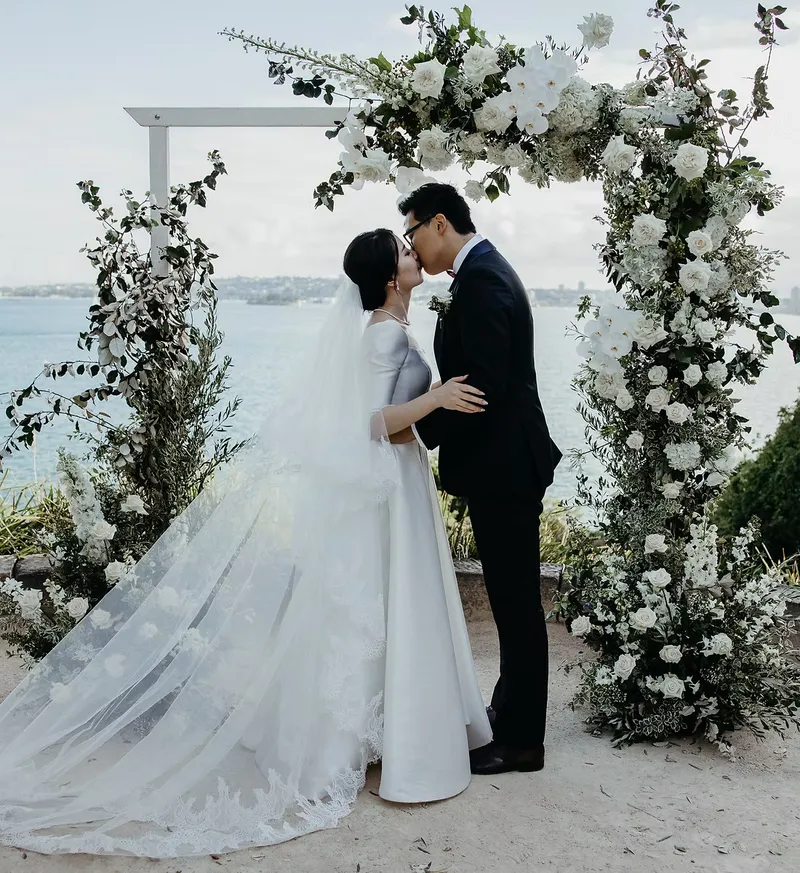
Fable Studio Co
Sydney, NSW

The Happiness Ring
Sydney, NSW

Tony's Corporate Show
Sydney, NSW

The Next Step Co.
Sydney, NSW
Browse by service
Wedding planning & coordination services in Australia
Browse by region
Wedding planners & coordinators by region
Plan with confidence
How to choose a wedding planner or coordinator in Australia
Know the difference between planning and coordination
Wedding planners are with you from the first venue search through to the final pack-down — they help build the vendor team, manage the budget, and shape the day's flow over many months. On-the-day coordinators step in 4–6 weeks before the wedding to take what you've already planned, run the rehearsal, and execute the day. Different jobs, different price points, different couples. Pick the one that matches the gaps in your own time and energy.
Decide what level of planning you actually need
There's a sliding scale across Australian wedding services — set-up only (a few hours the day-of), coordination lite (ceremony-focused six-hour entry), on-the-day coordination (8–12 hours), partial planning (joining mid-way through to fix specific things), and full planning (end-to-end from engagement). Most couples don't need full planning if they're already organised; most also wish they'd booked at least on-the-day after attending a wedding without one.
Don't assume your venue's coordinator does what you think
Many Australian wedding venues include a 'wedding coordinator' in the venue fee. Read the contract carefully — that role is usually a venue operations contact, not a personal coordinator. They make sure the venue runs as expected; they don't manage your other vendors, your guests, or your runsheet. Couples regularly arrive at the wedding assuming the venue will handle these and find out the morning-of that nobody owns the role.
Pick someone who's coordinated weddings at your venue
Local venue knowledge matters more than total weddings under the belt. A coordinator who's worked your specific venue knows the loading dock, the vendor parking, the curfew, the wet weather plan, and which suppliers the venue prefers. Ask directly: how many weddings have you coordinated at our venue, and what did you learn last time? It's a fair question that separates experienced coordinators from generic ones.
Match the coordination scope to your vendor count
Each additional vendor on your wedding day adds load on someone — typically the coordinator. A small wedding (5–6 vendors total) is comfortable for a single on-the-day coordinator. A larger wedding (10–12 vendors) often needs two coordinators or an assistant on the bridal-party side. Multi-day weddings, destination weddings, and weddings with cultural ceremonies all push the scope further. Brief the count honestly at the first call.
Lock the runsheet 4–6 weeks out
The runsheet is the document everyone runs the day from — every vendor's call time, the photographer's golden-hour window, the celebrant's processional cue, the caterer's plate-up sequence, the band's set times. A good coordinator owns the master runsheet and shares it with every vendor 1–2 weeks before the wedding. If you're going coordinator-free, MM's Day-of Runsheet builds this for you in a few clicks once your wedding day shape is set.
Confirm the day-of authority
On the wedding day itself, someone needs the authority to make calls — when to start the ceremony, when to push speeches, when to call golden-hour portraits, when to extend the dance floor. Make sure your coordinator (or a designated bridal-party member if you're coordinator-free) has that authority in writing, with vendors briefed to defer to them. Decisions made by committee on a wedding day take three times as long as they should.
Questions