Wedding Celebrants Australia
Trusted wedding celebrants across Australia — civil, religious, and elopement specialists. Save favourites and shortlist by region.
33 results
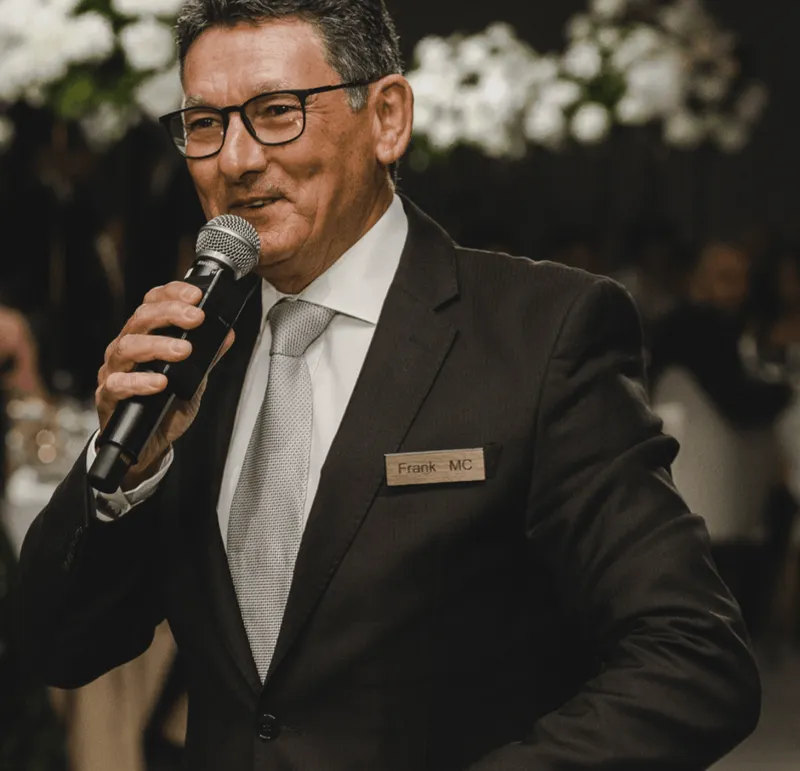
Frank MC The Celebrant
Sydney, NSW
Stefania The Celebrant
Brisbane, QLD
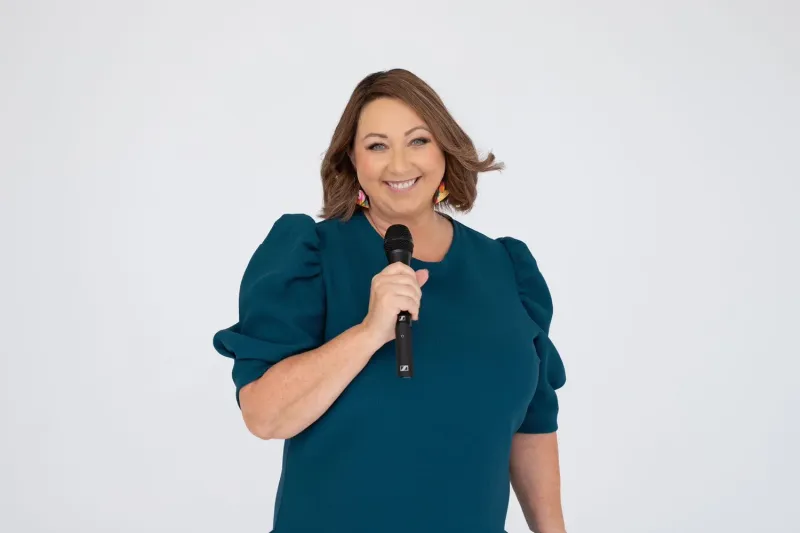
Celebrated Moments
Brisbane, QLD
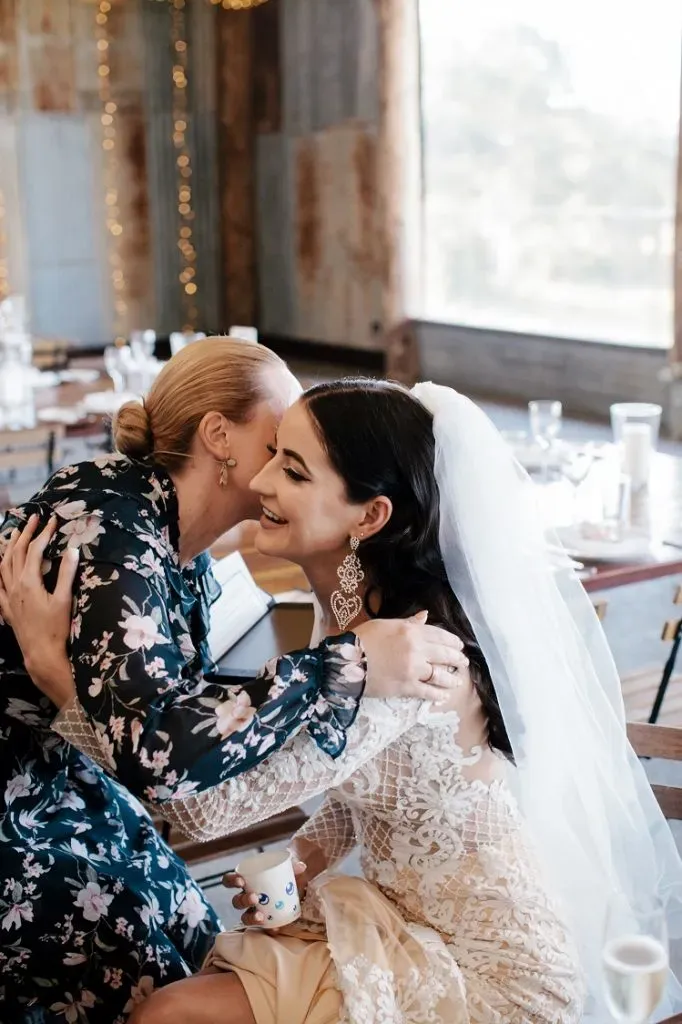
Hills Celebrant Services - Natasha Hill
Brisbane, QLD
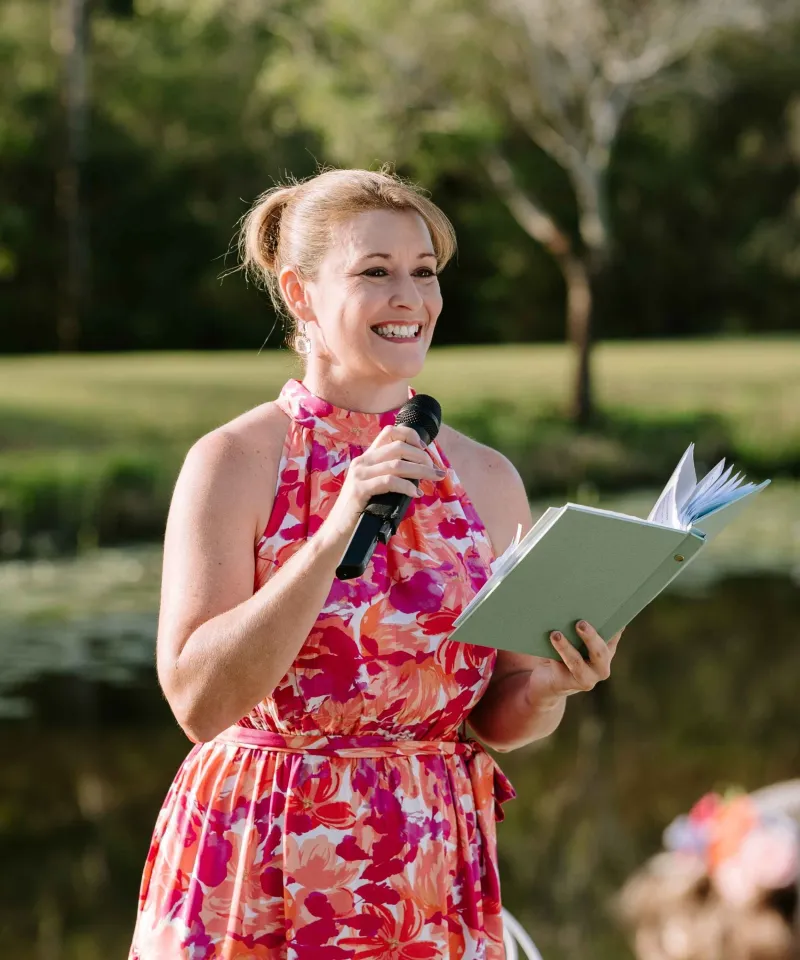
Melissa Price | Celebrant + MC
Brisbane, QLD
Victoria White - White Weddings Redcliffe
Brisbane, QLD
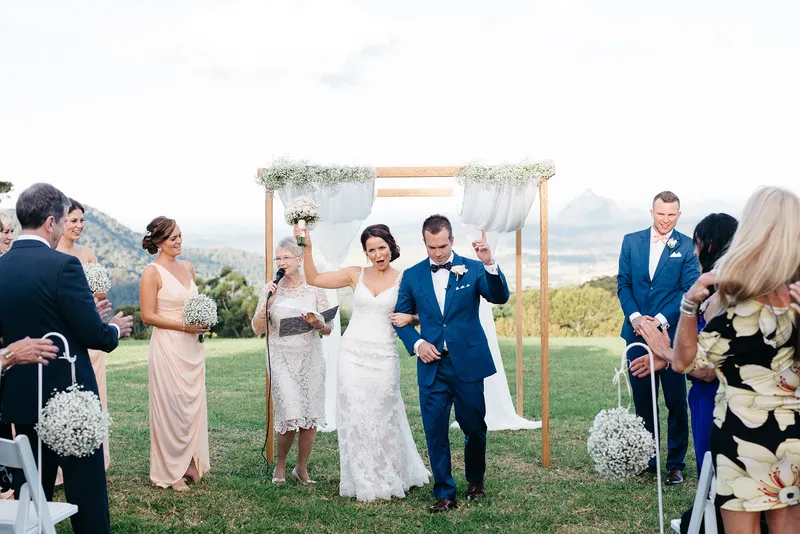
Sandra Hill
Brisbane, QLD
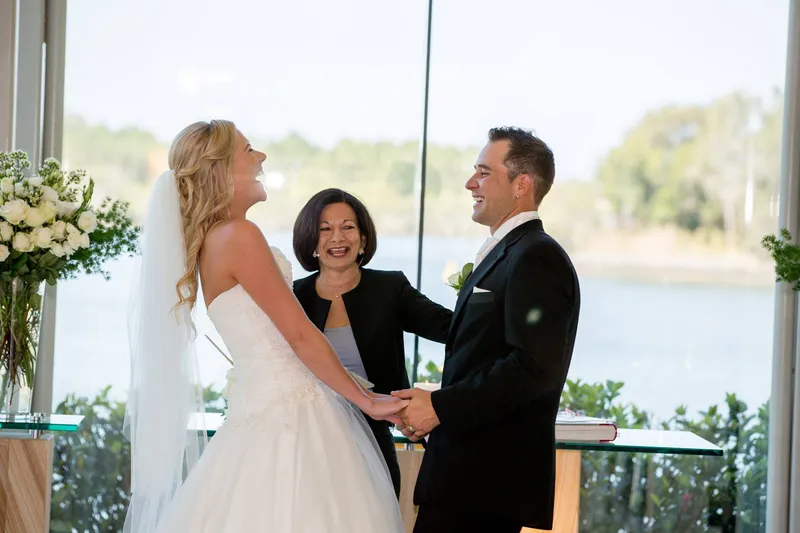
Debbie Payne, Celebrant
Brisbane, QLD
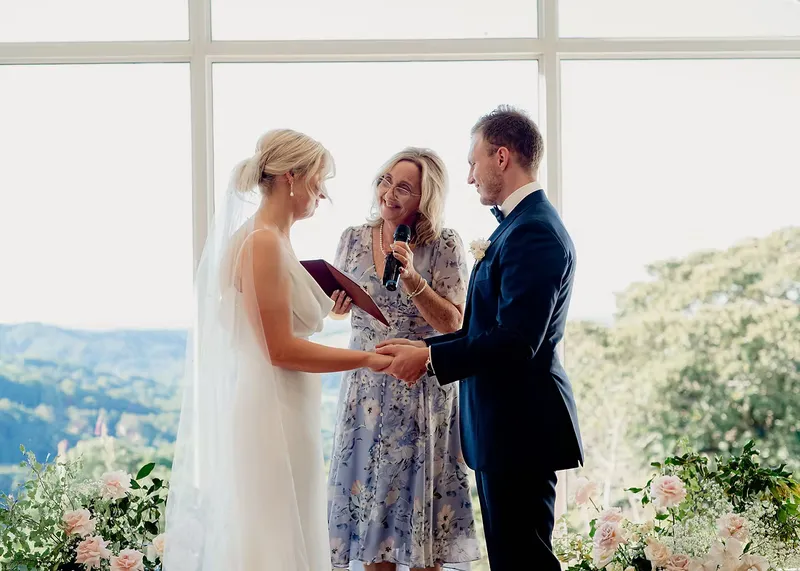
Leanne Booker Celebrant
Brisbane, QLD
Bespoke by Becky - Inclusive Celebrant
Brisbane, QLD
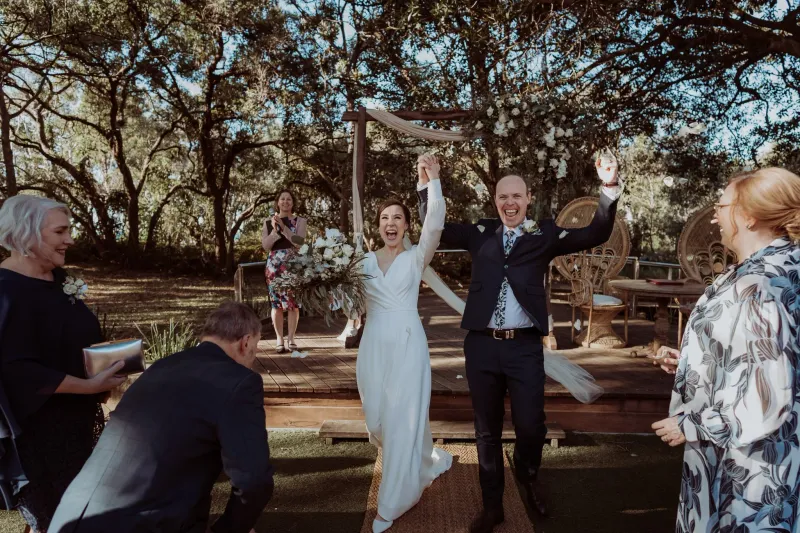
Trudy the Celebrant
Brisbane, QLD
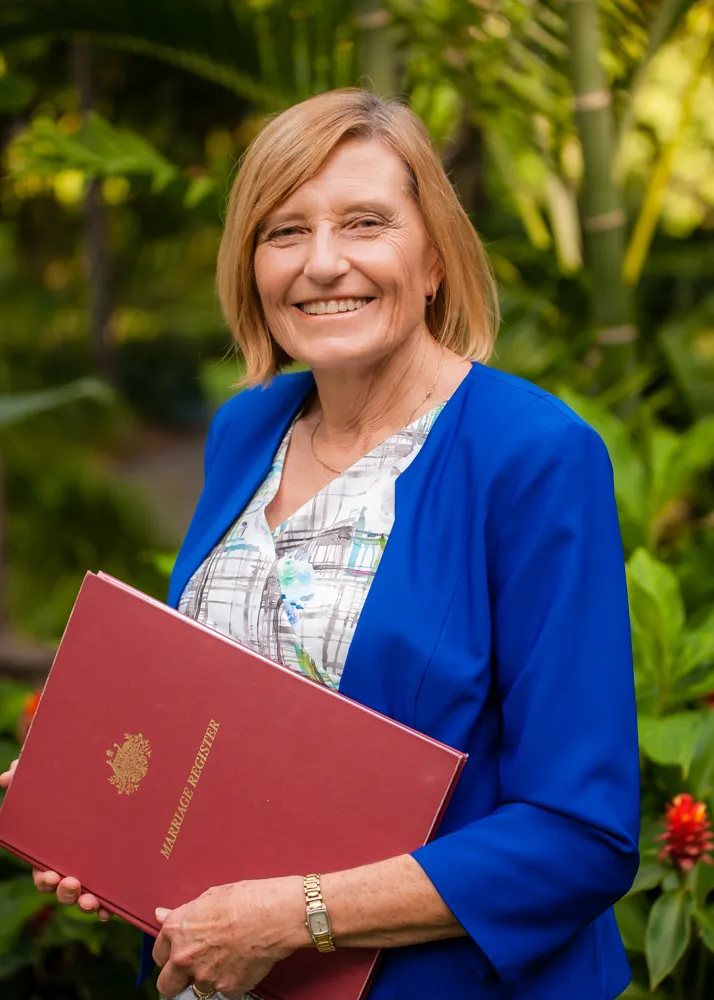
Ceremonies With Bronwyn
Brisbane, QLD
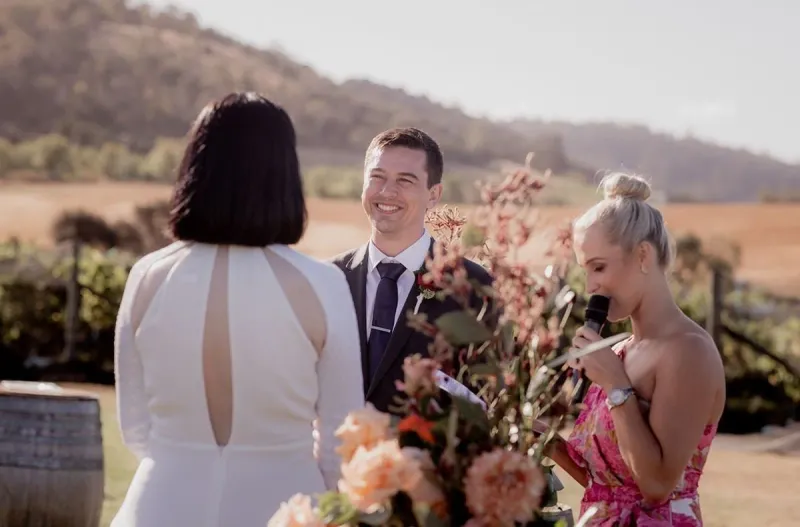
Ashleigh Jade Weddings
Brisbane, QLD
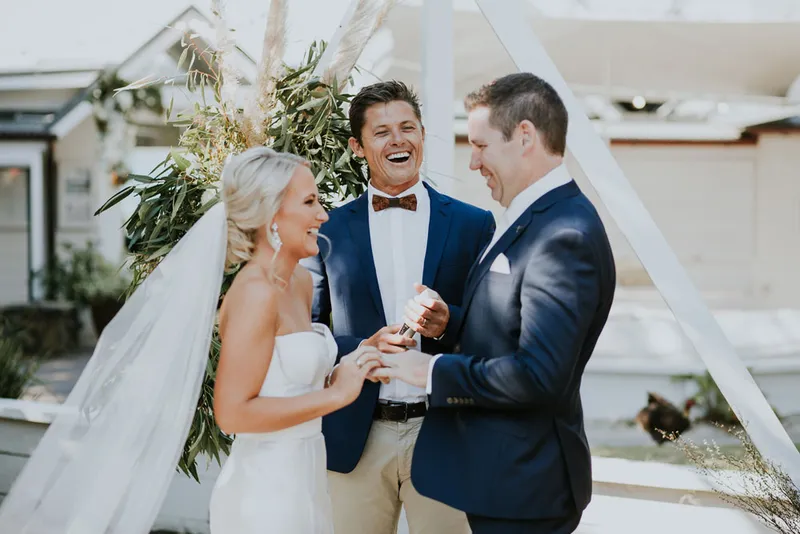
AM Weddings
Byron Bay & Far North Coast, NSW
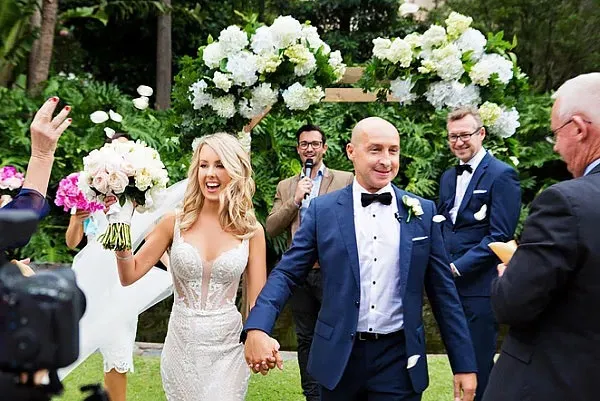
Brendan Anning - Marriage Celebrant
Brisbane, QLD
Life Events by Laurel-Lea
Brisbane, QLD

Serendipity Events
Brisbane, QLD
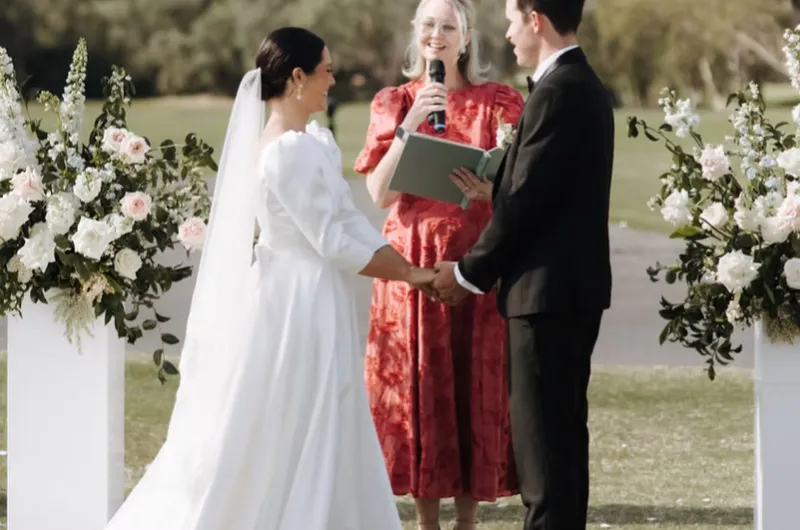
Carlee Hay Celebrant
Sunshine Coast & Noosa, QLD
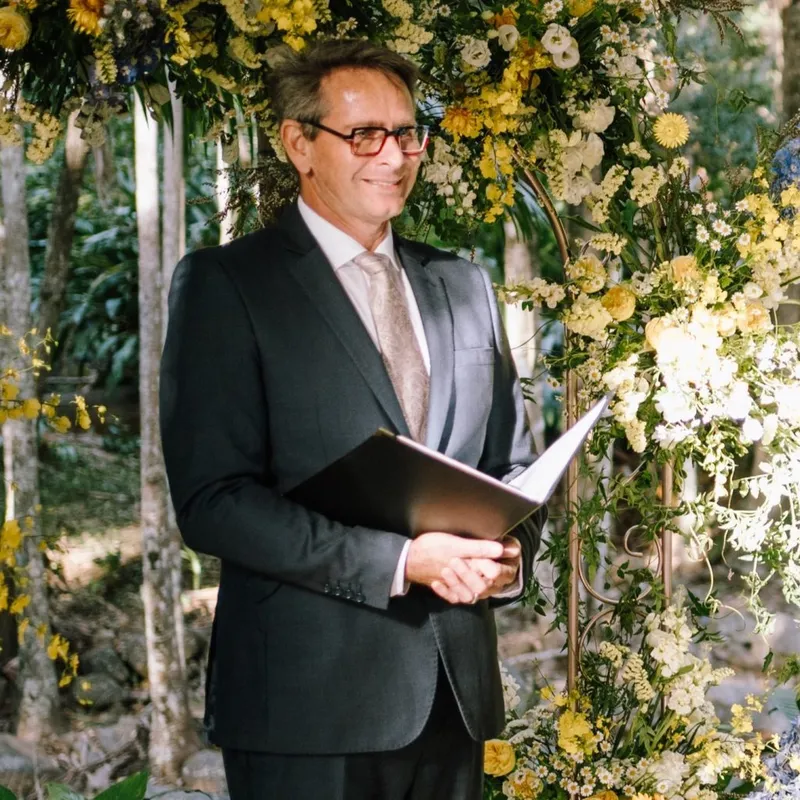
Mark The Celebrant
Brisbane, QLD
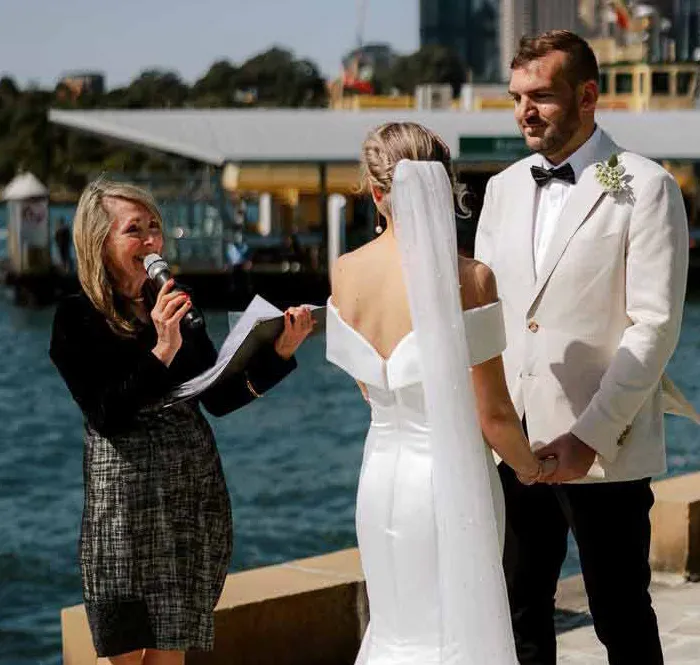
I Do Marriages
Brisbane, QLD
Ceremonies by Bec
Brisbane, QLD
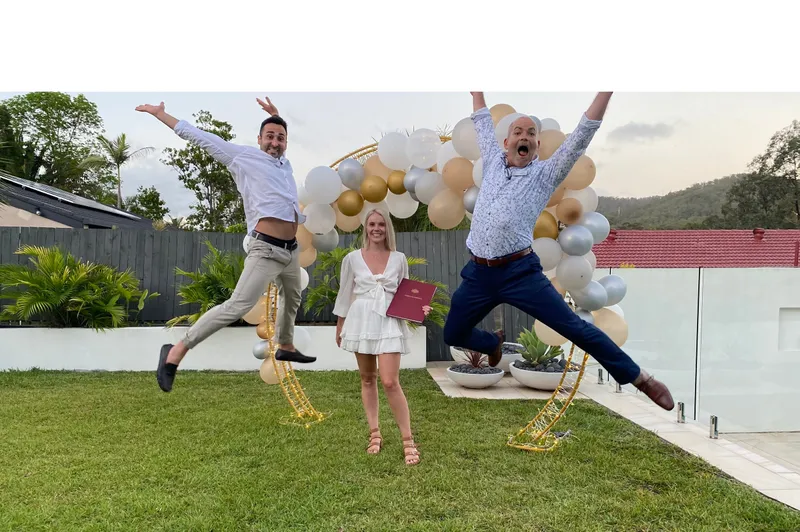
Ted Johnson Marriage Celebrant
Brisbane, QLD
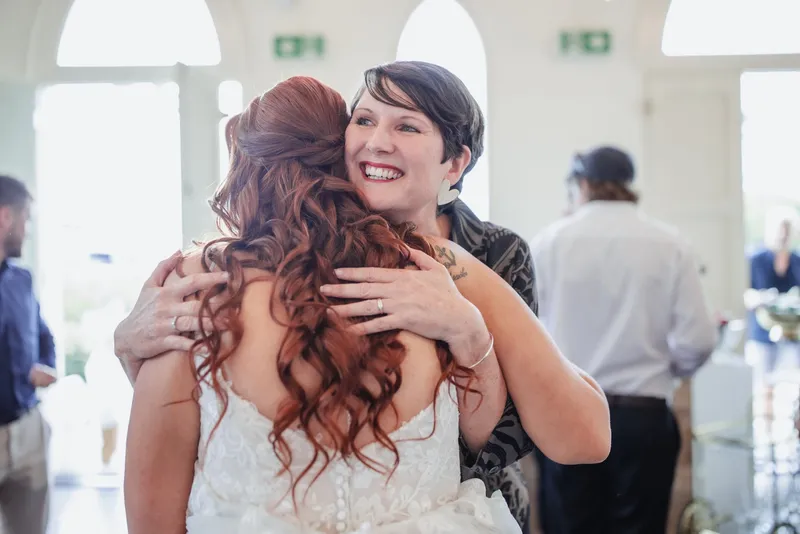
Ceremonies by Sacha
Brisbane, QLD
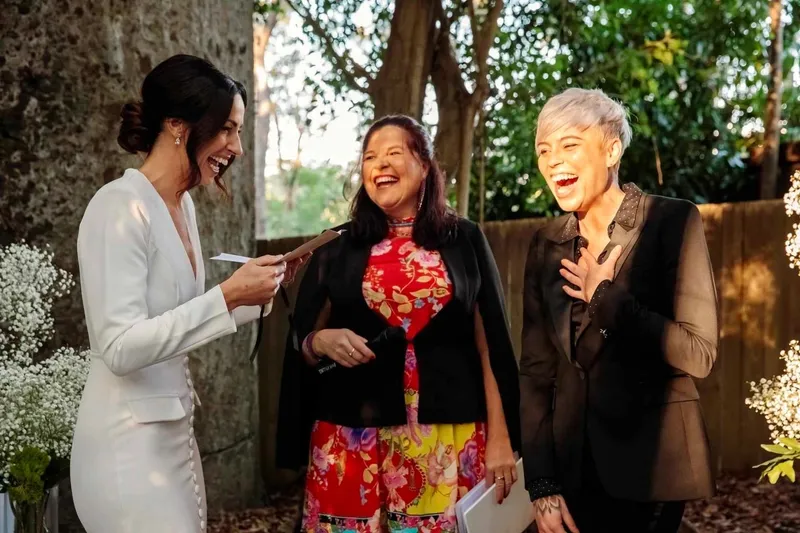
Marry Me Marnie
Brisbane, QLD
1–24 of 33
1 / 2
Browse by ceremony type
Wedding ceremony types in Australia
Browse by region
Wedding celebrants by region
Plan with confidence
How to choose a wedding celebrant in Australia
Decide between a civil or religious ceremony
Civil celebrants now lead the Australian wedding market by a wide margin — somewhere over 4 in 5 couples choose a civil rather than religious ceremony. Civil ceremonies are personalised and secular, with no required religious content. Religious celebrants (priests, ministers, rabbis, imams, others) are authorised through their faith body and follow that tradition's rites. Many couples blend both — a civil celebrant who weaves in a cultural blessing or a faith reading from a family member.
Lodge the Notice of Intended Marriage at least one month out
By Australian law, the Notice of Intended Marriage (NOIM) must be lodged with your celebrant at least one calendar month — and no more than 18 months — before the ceremony. The one-month minimum can only be waived in specific circumstances (medical, employment, legal). Lock the celebrant before you book any other vendor that's hard to reschedule, because the NOIM clock matters.
Pick the energy before you pick the person
Most Australian couples want a celebrant whose voice carries a bit of humour and a lot of warmth — easy laughter, room to feel something, no formality for its own sake. That's the dominant preference by a long stretch (about 3 in 4 lean this direction). Roughly 1 in 5 prefer a more measured, wise-and-sincere voice, and a small but loyal share want loud-and-out-there energy or a strictly religious/spiritual delivery. Naming your preferred tone in the first call narrows the shortlist fast — celebrants will usually tell you honestly when they're not your match.
Watch a celebrant work before you book
Most Australian celebrants will share footage of a recent ceremony, send a sample script, or do a free 30-minute video call. Ceremony delivery is half the day's emotional weight — voice, pace, and presence either land it or flatten it. Watching even five minutes of a celebrant in action tells you more than ten testimonials.
Plan personal vows — they're now the default
Strictly traditional vows have become the minority — barely 1 in 10 Australian couples stick to the full traditional script. Around half blend traditional vow language with a personal segment they write together, and another 4 in 10 write the whole vow from scratch. Most celebrants share favourite templates for inspiration and walk you through the writing in the planning meetings, so you don't have to draft from a blank page on your own.
Make it an unplugged ceremony
The unplugged ceremony has gone from quiet trend to default expectation — most Australian couples now ask guests to put phones away for the vows. The front row sees the moment with their own eyes; your photographer gets a clean line of sight to the ring exchange without a wall of screens. A short line in the celebrant's welcome script (or a small sign at the aisle) handles it gracefully — phones come back out for cocktails and the dance floor.
Talk through cultural and faith elements early
Bilingual ceremonies, tea ceremonies, hand-fasting, sand pouring, breaking glass, jumping the broom, blessing the rings — every Australian celebrant approaches these differently. Some specialise in hybrid ceremonies that weave two cultural traditions; others stick to one tradition end-to-end. Be specific about what you want before signing — these are easy to add early, awkward to retrofit.
Ask about the run-of-show on the day
Good celebrants drive the front-of-room timing — when guests are seated, when the ceremony starts, where parents sit, who walks down first, where the witnesses sign. Brief them on family dynamics that need handling sensitively (estranged parents, recently bereaved relatives, blended families). Their job during the ceremony is partly traffic control — they should be your second-most-helpful person on the day, after your coordinator.
Questions